

I offer in-depth, psychodynamic psychotherapy with focus on mind/body connection & working through complex layers of mental, emotional, behavioral, and energetic patterns.
Clients can choose to work specifically with talk therapy or with somatic (body-centered) therapy, and some choose to integrate both.
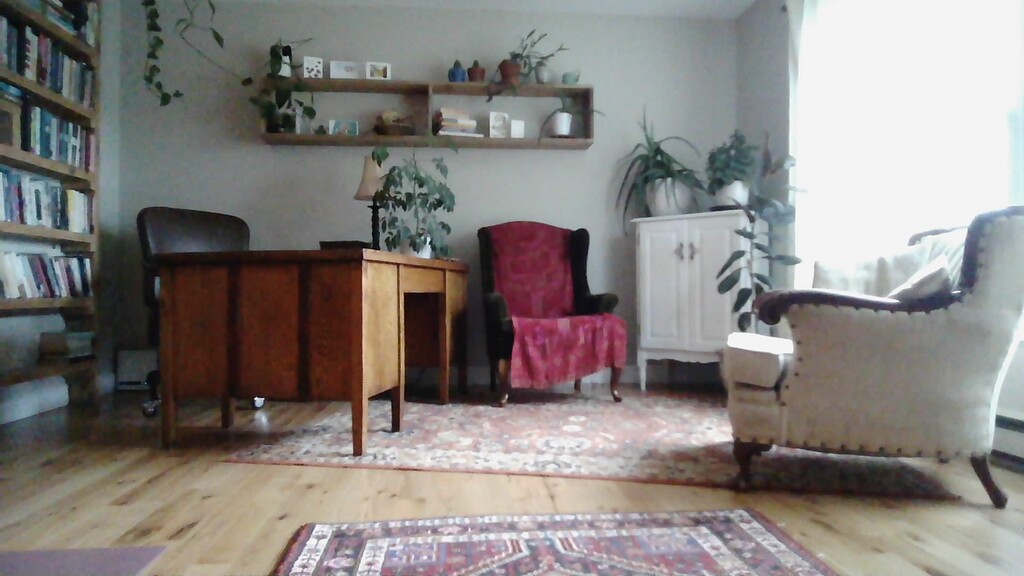
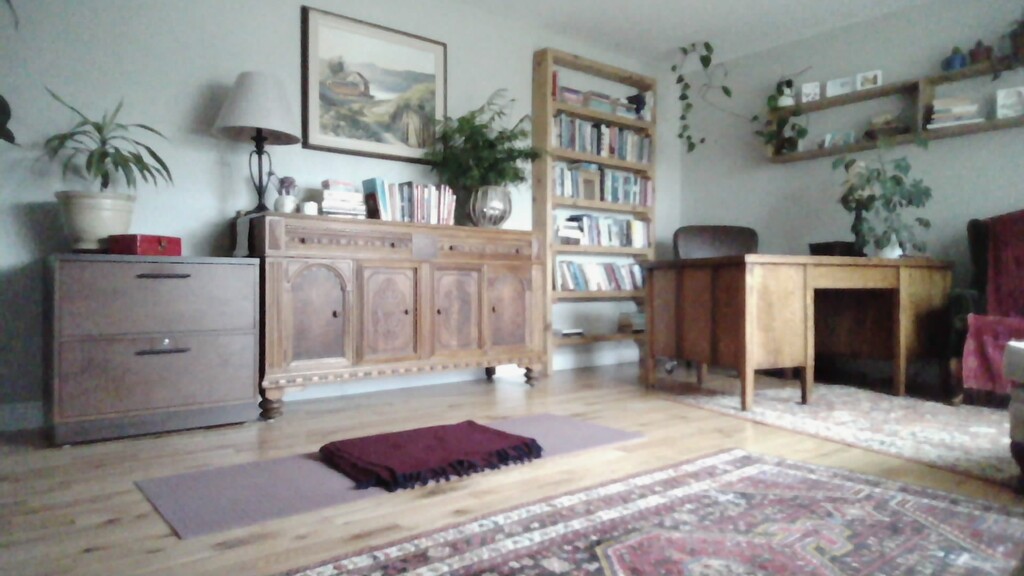
All sessions are tailored to individual client needs. Sessions are available virtually through a secure telehealth platform and in-person in Sackville, New Brunswick.
Licensed Clinical Therapist
Trauma-Sensitive Yoga Therapist
I see youth (ages 12+), adolescents, and adults who are interested in depth work and come to therapy to explore identity, relationship with self & others, complex mental health issues including personality and mood disorders, attachment patterns, and disruptive symptoms such as those associated with complex post-traumatic stress. I am very fortunate to practice under the guidance of my clinical supervisor and alongside excellent mentors, teachers, and colleagues.
My approach is informed by over 13 years working in somatic and yoga therapy for mental health. I study and integrate Jungian psychology, trauma theory, mindfulness, psychodynamic therapy, and parts work in my work with clients. I have experience working with students and clients in private practice, public schools, universities, and community clinic settings. I completed studies with The Centre for Trauma & Embodiment, where I am registered as a trauma-sensitive yoga facilitator (TCTSY-F) and I hold a Master of Arts in Counselling Psychology and a certificate in Jungian Psychology from the C. G. Jung institute of New England. I am honoured to be a 2026/2027 fellow with the Canadian Psychoanalytic Society Quebec-English Branch in Montreal.
I am a Certified Counsellor (CCC) with the Canadian Counselling & Psychotherapy Association (CCPA) and a Licensed Clinical Therapist Candidate (LCT-C) with the College of Counselling Therapists of New Brunswick (CCTNB).
Psychodynamic psychotherapy is a form of depth psychology. This means that emotions, defenses, and ways of relating to self and others are explored over time in a trusting therapeutic relationship, allowing clients to gain insight into problematic unconscious patterns.
Psychodynamic therapy is an evidence-based approach with a very long history of successfully supporting clients who suffer with concerning and disruptive symptoms associated with chronic mental health conditions.
The focus is not on "curing" or finding short-term solutions to symptoms, but rather supporting clients to access deeper layers of insight & meaning, and improve overall functionning over time.
Sessions include exploring thoughts, beliefs, feelings & emotions, past experiences, family & ancestry, and an individual's personality, defensive or protective patterns, expectations, wishes, and desires. We may also work with art, drawing, writing, and dream-analysis depending on the needs of each client.
Soma refers to the realm of the body, and somatic therapy refers to a range of practices that strengthen awareness of and connection to the body.
Bringing awareness into the body will look different for each client and can range from seated mindfulness or breathing practices, to more physical movement, like yoga postures.
The body has its own pace, its own rhythm, its own wisdom. Attuning to the physical realm through noticing physical sensations can allow opportunity for the body to speak and can deepen and add layers to the beneficial work done through talk therapy.
Trauma-Sensitive Yoga in particular is an evidence-based treatment for Complex-Post Traumatic Stress (C-PTSD) and is also beneficial for clients suffering with depression, addiction, and chronic pain.
Benefits of somatic therapy include regaining a sense of agency, accessing language to communicate about inner experiences, strengthening boundaries, and re-establishing a relationship to internal sensations, instincts, and needs.
Please complete the form above to schedule a free introductory call or send an e-mail to sesmith.counselling@outlook.com
The fee per sessions is $150
For clients who commit to weekly sessions, the fee is $130.
First sessions are intake sessions so both therapist and client can get to know one another and discern whether working together will be a good fit. Weekly or bi-weekly appointments are then scheduled based on client & therapist availability.
I offer direct billing to most insurance companies, provided your coverage plan includes psychotherapy or counselling therapy. I also offer direct billing for the Mount Allison University health insurance program.